






"WERTE SCHÄTZEN - SCHÄTZE ENTDECKEN"
.So lautet das Motto der Burgenstraße, die von Mannheim bis nach Bayreuth führt und zu den ältesten Ferienstraßen Deutschlands gehört. Rund 60 Burgen und Schlösser sind an der 780 Kilometer langen Route zu bewundern. Hinzu kommt eine Fülle von Möglichkeiten für eine individuelle und entspannte Bummeltour durch die Vergangenheit, ob mit dem Auto, dem Wohnmobil, dem Fahrrad oder dem Oldtimer.

Schwäbisch Hall - Sieder beim Kuchen- und Brunnenfest.
Pfingsten an der Burgenstraße
Die Pfingstfeiertage stehen an der Burgenstraße ganz im Zeichen farbenfroher Veranstaltungen. Unter anderem laden "Der Meistertrunk" in Rothenburg ob der Tauber, das Kuchen- und Brunnenfest in Schwäbisch Hall und die Gartentage auf Schloss Eyrichshof zum Besuch ein.
Mehr über Pfingsten an der Burgenstraße in unserem Veranstaltungskalender

Abenberg - Neues Burgmuseum "1000 Jahre Burgträume"
Endlich mal ein Ritter sein… Im neuen Burgmuseum Abenberg geht dieser Wunsch in Erfüllung: Dort werden 1000 Jahre Burgträume in einer interaktiven Ausstellung lebendig. Mit einem eigenen Schlüssel können große und kleine Gäste die Geschichte der Burg und ihrer Bewohner erforschen. Tauchen Sie ein in eine längst vergangene Zeit, als hier noch echte Ritterturniere stattfanden …

Neues Premium Partner Hotel: Schlosshotel Molkenkur
Ein Hauch von „Zauberberg“ am Neckar: Hoch über Heidelbergs Altstadt und fußläufig zum Schloss, vereint das Schlosshotel Molkenkur an der gleichnamigen Bergbahnstation modernen 4-Sterne-Hotelkomfort mit dem nostalgischen Flair eines denkmalgeschützten Gebäudes. Genießen Sie die exzellente Küche, den spektakulären Ausblick und das angenehme Gefühl, dem Alltag gänzlich enthoben zu sein!

Neues Premium Partner Hotel: Berggasthof Königstuhl
Auf der Spitze des Heidelberger Hausbergs thront der Berggasthof Königstuhl. Umgeben von Natur, Himmel und Weite, erwartet Sie der großzügige Neubau in traditioneller Optik an der Endstation der Bergbahn mit 62 Zimmern im gehobenen Landhausstil, einer Bergstube im urigen Zirbenholz-Look, einem Biergarten und mehr – ein idealer Ausgangspunkt für Wanderungen und Sightseeing!

Neu für 2024 - Entdeckertouren mit dem Wohnmobil
Die Burgenstraße ist ideal für eine Reise mit dem Wohnmobil. Die Broschüre "Entdeckertouren 2024" führt Wohnmobilfreunde zu Stellplätzen an der Burgenstraße. Detaillierte Angaben zu allen Stellplätzen machen Ihnen die Planung Ihrer Tour ganz einfach. Tipps zu Einkehr- und Einkaufsmöglichkeiten, Freizeitvergnügen sowie sogar zu Spaziergänge mit dem vierbeinigen Reisebegleiter runden das Info-Paket ab.
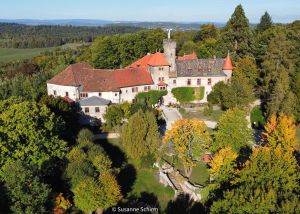
Neues Premium Partner Hotel: Schlosshotel Hohenstein
Mit dem Schlosshotel Hohenstein in Ahorn bei Coburg bietet sich anspruchsvollen Burgenstraßen-Reisenden jetzt auch in Oberfranken ein elegantes und komfortables Urlaubsquartier. Mitten im Grünen gelegen, verzaubert das restaurierte Schloss aus dem 14. Jahrhundert mit Charme, Stil, verwunschenem Park, traumhafter Aussicht und exquisiter nachhaltiger Küche – ein grüner Michelin-Stern beweist es!
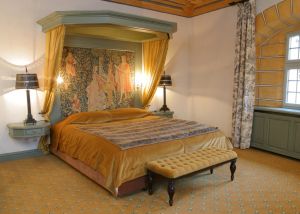
Charmant und individuell
 ... so präsentieren sich die Premium Partner Hotels der Burgenstraße. Die persönlich geführten Häuser setzen einen deutlichen Kontrapunkt zu Hektik und Beliebigkeit und verknüpfen Ihre Reise in die Vergangenheit bestens mit dem Komfort unserer Tage.
Imagefilm
Falls Sie das Video nicht sehen, müssen Sie der Nutzung von YouTube zustimmen.
